New Zealand

Germanic · Indo-European
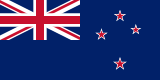
New Zealand flag
Languages
Native
English
95%
Māori
26%
Secondary languages
Samoan
15%
Language Samples
Hello, how are you?
Hello, how are you?
I am very well, thanks.
One, two, three, four, five, six, seven, eight, nine, ten.
Linguistic History

New Zealand has three official languages: English, Māori (te reo Māori), and New Zealand Sign Language. English arrived with British settlers in the late 18th and 19th centuries and quickly became dominant. Māori is the language of the indigenous Māori people, a Polynesian language brought to Aotearoa (New Zealand) by the original settlers around 1300 CE; it was granted official status in 1987. After declining through much of the 20th century, te reo Māori has experienced a significant revival driven by kura kaupapa Māori (Māori-immersion schools), Māori Television, and growing national pride in indigenous heritage. New Zealand English features a distinctive accent noted for the raising of short vowels, and has absorbed numerous Māori loanwords that are used by speakers of all backgrounds.

Similar Languages
Dutch
67%
German
60%
Swedish
55%
Norwegian
55%
Media
Māori meeting houses (wharenui) serve as cultural and linguistic hubs, where te reo Māori is spoken and transmitted to new generations.
Wellington, the capital of New Zealand, where bilingual English–Māori signage is increasingly common in public spaces.
Photo: Donovan Govan. · CC BY-SA 3.0
Did You Know
01
New Zealand Sign Language (NZSL) is one of only three sign languages in the world to hold official national language status.
02
Māori place names are used across New Zealand — 'Aotearoa', the Māori name for the country, translates as 'land of the long white cloud'.
03
New Zealand English is distinctive for 'vowel raising': the short 'i' in words like 'fish' and 'chips' is pronounced closer to 'fush and chups', famously parodied by Australians.
Want to learn this language?
Start learning English today
Learn with Lingua →