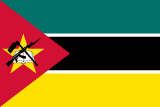
Mozambique's linguistic heritage is rooted in the great Bantu migrations that swept southward and eastward across Africa during the first millennium CE. Emakhuwa and its close relatives (Elomwe, Echuwabo) dominate the northern provinces and represent the Makhuwa-Lomwe branch of Bantu — one of the most populous language clusters on the continent. In the south, Bantu languages of the Nguni and Tswa-Ronga groups arrived with later migrations, bringing Xichangana and Xitswa into the country's linguistic mosaic. Arab traders established Swahili-influenced coastal settlements centuries before the Portuguese arrived in 1498; Vasco da Gama's landing at Mozambique Island marked the beginning of over 400 years of Portuguese colonial presence. After independence in 1975, Portuguese was retained as the sole official language for national unity, though the vast majority of Mozambicans grow up speaking a Bantu mother tongue. Ongoing language policy discussions aim to integrate indigenous languages more fully into the education system.
