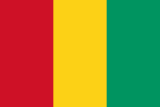
Guinea (République de Guinée) sits in the heart of West Africa and is linguistically dominated by two large language communities: the Fula (Fulani / Peuhl) of the Fouta Djallon highlands and the Mandinka-speaking peoples of the savanna and forest regions. Fula is a widespread Atlantic language found from Senegal to Chad, but Guinea's Fouta Djallon plateau is considered its cultural heartland, where the Fula-led theocratic state (Imamate of Futa Jallon) thrived from the 18th century. Mandinka (Malinké / Maninkakan) is closely related to Bambara and Dioula and reflects the old Mali Empire heritage of the region. Susu, spoken on the coast around the capital Conakry, is the third major language. French was imposed by colonial rule under French Guinea (1890–1958) and remained the official language after Sékou Touré declared independence in 1958. Guinea has roughly 40 indigenous languages in total.
