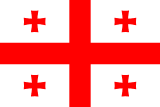
Georgia

Kartvelian
Georgia flag
Languages
Native
Georgian
87%
Language Samples
გამარჯობა, როგორ ხარ?
Gamarjoba, rogor khar?
Hello, how are you?
მე ძალიან კარგად ვარ, გმადლობ.
Me dzalian kargad var, gmadlob.
I am very well, thanks.
ერთი, ორი, სამი, ოთხი, ხუთი, ექვსი, შვიდი, რვა, ცხრა, ათი.
Erti, ori, sami, otkhi, khuti, ekvsi, shvidi, rva, tskhra, ati.
One, two, three, four, five, six, seven, eight, nine, ten.
Linguistic History

Georgian is the primary and official language of Georgia and the literary language of the Kartvelian language family, which has no proven genetic relationship to any other language family in the world. The Georgian script (Mkhedruli) is one of only fourteen unique scripts in the world and dates in its earliest form to the 5th century AD. Classical Georgian literature flourished in the medieval period, most notably with Shota Rustaveli's 12th-century epic poem 'The Knight in the Panther's Skin'. The language survived Mongol, Persian, Ottoman, and Russian domination, remaining central to Georgian cultural and religious identity, especially through the Georgian Orthodox Church. Modern Georgian is spoken by approximately four million people in Georgia and diaspora communities.

Similar Languages
Mingrelian
55%
Laz
45%
Media
Gergeti Trinity Church (Tsminda Sameba), a symbol of Georgian Orthodox heritage in the Caucasus Mountains
Photo: Lidia Ilona · CC BY 2.0
Did You Know
01
Georgian has a unique vigesimal (base-20) counting system for numbers above 20, shared with Basque and some other languages.
02
The Georgian script has three distinct historical forms: Asomtavruli, Nuskhuri, and the modern Mkhedruli, all still used in different contexts.
03
Georgian wine-making dates back over 8,000 years, and the country is considered one of the oldest wine-producing regions in the world — a fact proudly reflected in Georgian vocabulary and culture.
Want to learn this language?
Start learning Georgian today
Learn with Lingua →