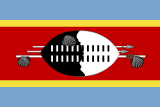
Swati (also spelled Swazi or siSwati) is an Nguni Bantu language closely related to Zulu and Xhosa, spoken by nearly the entire population of Eswatini (formerly Swaziland) as well as significant communities in the Mpumalanga province of South Africa. The Swazi nation was forged in the early 19th century by King Sobhuza I and expanded under Mswati II — from whose name the country derives its current name — through diplomatic skill and military prowess during the turbulent Difaqane period. British protection was extended in 1890, and Swaziland became a protectorate in 1903 after the Second Anglo-Boer War; it retained this status until independence in 1968 under King Sobhuza II, who ruled until 1982, becoming one of the longest-reigning monarchs in history. Swati's close relationship with Zulu reflects their shared Nguni heritage, and speakers of one can often understand the other. In 2018, King Mswati III renamed the country from Swaziland to Eswatini — meaning 'land of the Swazis' in Swati — on the 50th anniversary of independence.
